
5mm mirror price
Replacing a pressure valve on a water heater is a vital maintenance task that can enhance the efficiency and longevity of your appliance. As someone with years of experience in plumbing and home maintenance, I understand the importance of ensuring every component of your water heater functions optimally. The pressure relief valve, often overlooked, plays a critical role in preventing excess pressure buildup, which could lead to serious damage or even explosion. Understanding the Function of the Pressure Valve The pressure relief valve is a safety feature designed to release water and decrease pressure within the tank if it gets too high. It's essential for the protection and operational efficiency of your water heater. Without it, the increasing pressure could cause the tank to burst, leading to costly repairs and dangerous situations. Identifying When Replacement Is Necessary From a professional standpoint, the first step in replacing a pressure valve is recognizing when it's time for a replacement. Signs that your valve may be failing include water leakage around the base of the valve, inability to release pressure, or if the valve doesn't sound like it’s functioning properly during regular checks. Consistent monitoring and maintenance checks of this valve are essential, typically on an annual basis, to ensure your water heater remains in top condition. Expert Steps in Replacing the Pressure Valve Safety is paramount. Begin by turning off the power supply to the water heater, whether it's electric or gas. Then, shut off the cold water supply that leads into the tank to prevent refills during maintenance. Next, relieve the pressure in the tank by opening a hot water faucet in your house and allowing it to run until it is cool. Drain the tank slightly by connecting a garden hose to the drain valve to allow the pressure valve to be removed without spilling water. replacing pressure valve on water heater With a pipe wrench, carefully remove the existing pressure relief valve from the heater . It’s crucial to inspect this valve once removed. If you notice mineral deposits or rust around it, consider flushing your tank to prevent further issues. Installing the new valve involves wrapping the threads with plumber's tape—this ensures a watertight seal. Carefully screw the new valve into place without overtightening, which can damage the threads and lead to leaks. Restoring Power and Checking for Leaks Reopen the water supply to the water heater and allow it to fill completely. Only then should you restore power to the unit, ensuring the water is heated safely. Once the unit is back online, monitor the pressure valve for any signs of leaks, which is a telltale indicator of improper installation or a defective valve. Establishing Trust and Reliability In my professional experience, ensuring every component of your water heater works correctly builds not only an efficient system but also peace of mind. By following these expert steps and understanding the importance of every part of your system, you can prevent costly incidents and extend the life of your water heater. If you encounter difficulties or uncertainties during valve replacement, consulting with a certified plumber is always recommended. Leveraging industry expertise not only confirms DIY efforts but also enhances trust in the safety and efficacy of your home systems. Overall, handling the replacement of a water heater pressure valve with care, precision, and regular maintenance reflects a commitment to home safety standards. It's an investment in your home’s functionality that pays dividends in trustworthiness and authoritative maintenance practices.
about
5mm mirror price
Calibrated Pin Gauges The Precision Tool for Dimensional Accuracy in Manufacturing In the realm of precision engineering and manufacturing, calibrated pin gauges occupy a pivotal position as an indispensable tool for ensuring dimensional accuracy. These seemingly simple yet meticulously crafted instruments play a crucial role in quality control processes by providing a reliable means of verifying and measuring internal dimensions such as holes, slots, and recesses. This article delves into the significance, construction, usage, and maintenance of calibrated pin gauges, underscoring their importance in maintaining the highest standards of manufacturing excellence. **Understanding Calibrated Pin Gauges** Calibrated pin gauges, also known as go/no-go gauges or simply pin gauges, are cylindrical or tapered metal rods, meticulously ground to precise diameters with tolerances as tight as a few microns. They serve as a reference standard for checking the size and straightness of drilled or machined holes. Each gauge is precisely calibrated against national or international measurement standards to guarantee absolute dimensional accuracy. The primary advantage of pin gauges lies in their simplicity. They come in sets, with each pin representing a specific dimension. In a 'go' gauge, the pin should easily slide into the hole, indicating that the hole is within the acceptable lower limit of the tolerance range. Conversely, a 'no-go' gauge should not enter the hole or do so only partially, signifying that the dimension exceeds the upper tolerance limit. This binary system provides an immediate pass/fail assessment, making it a swift and straightforward method for quality inspection. **Construction and Material** Calibrated pin gauges are typically fabricated from high-grade steel, chosen for its hardness, wear resistance, and stability under varying temperatures. Chromium-plating is often applied to enhance corrosion resistance and improve surface finish, ensuring consistent and reliable measurements over time. The ends of the pins may feature a slightly rounded tip to prevent damage to the part being inspected and facilitate smooth insertion The ends of the pins may feature a slightly rounded tip to prevent damage to the part being inspected and facilitate smooth insertion The ends of the pins may feature a slightly rounded tip to prevent damage to the part being inspected and facilitate smooth insertion The ends of the pins may feature a slightly rounded tip to prevent damage to the part being inspected and facilitate smooth insertion calibrated pin gauges . **Applications Across Industries** From aerospace to automotive, medical devices to microelectronics, calibrated pin gauges find application wherever micron-level accuracy is paramount. In the automotive industry, they ensure the correct fitment of engine components; in aerospace, they verify the precision of aircraft parts where safety is critical. Medical device manufacturers rely on them to maintain strict tolerances in implants and surgical instruments, while in semiconductor manufacturing, they contribute to the meticulous fabrication of minuscule components. **Maintenance and Calibration** Maintaining the accuracy of pin gauges is crucial to their effectiveness. Regular cleaning with a soft cloth and appropriate solvent prevents contamination and preserves surface integrity. Storage in a controlled environment, typically in a humidity-controlled cabinet, safeguards against dimensional changes due to temperature fluctuations. Periodic recalibration by accredited laboratories is mandatory to verify and restore the gauges' dimensional conformity, typically annually or after a set number of uses, depending on usage frequency and industry standards. **Conclusion** Calibrated pin gauges embody the essence of precision in modern manufacturing. Their role extends beyond mere measurement tools; they are guardians of quality, ensuring that products meet stringent tolerances and perform as intended. As technology advances and manufacturing tolerances become ever tighter, the reliance on these meticulously crafted instruments will only continue to grow. By embracing best practices in their use and maintenance, industries can harness the full potential of calibrated pin gauges, driving advancements in product quality and reliability. In the quest for perfection, these humble yet highly effective tools stand as a testament to human ingenuity and the relentless pursuit of precision.
-

High quality industrial productsagement

High quality industrial products
View Details -

Meet the diverse needs of customers

Meet the diverse needs of customers
View Details -

Strict quality control

Strict quality control
View Details -

Top raw materials

Top raw materials
View Details -

Trusted supplier

Trusted supplier
View Details
Our application


news and information
Válvula borboleta elétrica 12V para controle de fluxo em sistemas industriais
Válvula Borboleta de 12V Eficiência e Versatilidade em Sistemas Hidráulicos A válvula borboleta é um
Wrought iron finials
The Timeless Elegance of Wrought Iron Caps An Architectural Delight Wrought iron caps, an integral
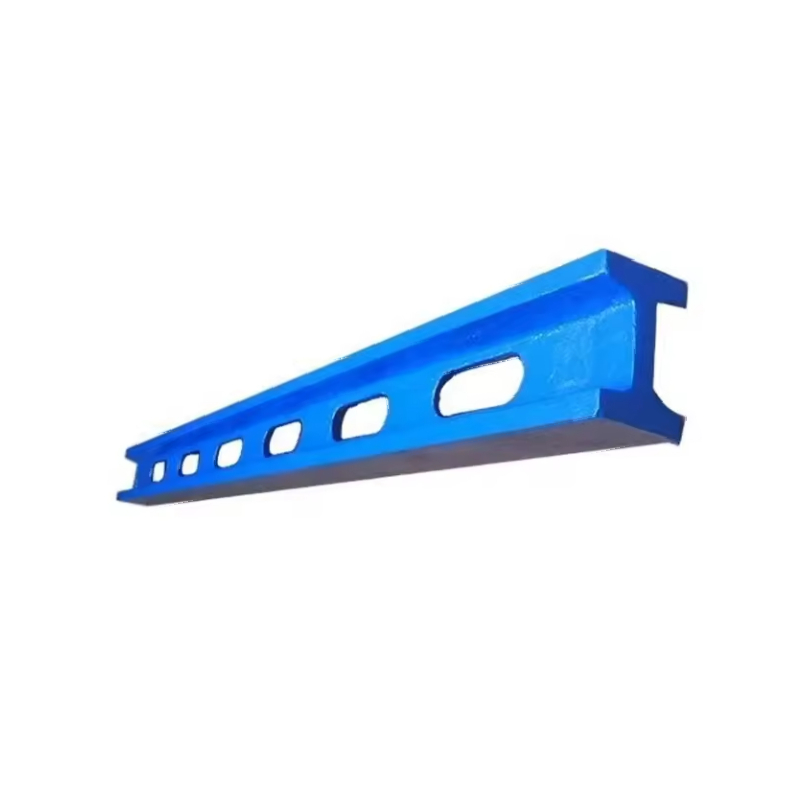
Welding Tables_ The Essential Tool for Precision and Durability
A welding table is a must-have for anyone involved in metalworking or fabrication. When it comes to
 English